
Hey there, card game enthusiasts! If you’re diving into the world of Gundam card games, you’ve probably heard about the intriguing strategy of single color decks. Whether you’re a newcomer or a seasoned player, understanding how to effectively use a single color deck can elevate your gameplay to new heights. Today, we’re going to explore the ins and outs of this strategy, breaking it down into easy steps so you can apply it to your own games. Let’s jump right in! To find more, check on BOB69
A single color Gundam deck focuses on using cards from one color or faction, maximizing the unique strengths and abilities that color offers. By focusing on one color, you can create a cohesive strategy that’s more predictable and easier to manage, especially during high-stakes gameplay.
The core concept of a single color Gundam deck is to concentrate on a singular faction, allowing the deck to synergize effectively. This synergy can often lead to powerful combinations that would be difficult to achieve with a multi-color deck. The uniformity not only enhances the strength of each card but also ensures that all cards work towards a unified goal.
One major advantage of using a single color deck is the simplicity it brings to the game. With fewer mechanics to manage, players can focus on mastering their strategy without being overwhelmed. Additionally, the predictability of drawing cards from a single color enhances the consistency of your gameplay, which can be crucial during competitive matches.
Single color decks often boast a strong thematic element that adds depth to the gameplay experience. By aligning with a specific color, players can fully immerse themselves in the narrative and aesthetic of that faction, making each game feel like a unique story unfolding on the battlefield.
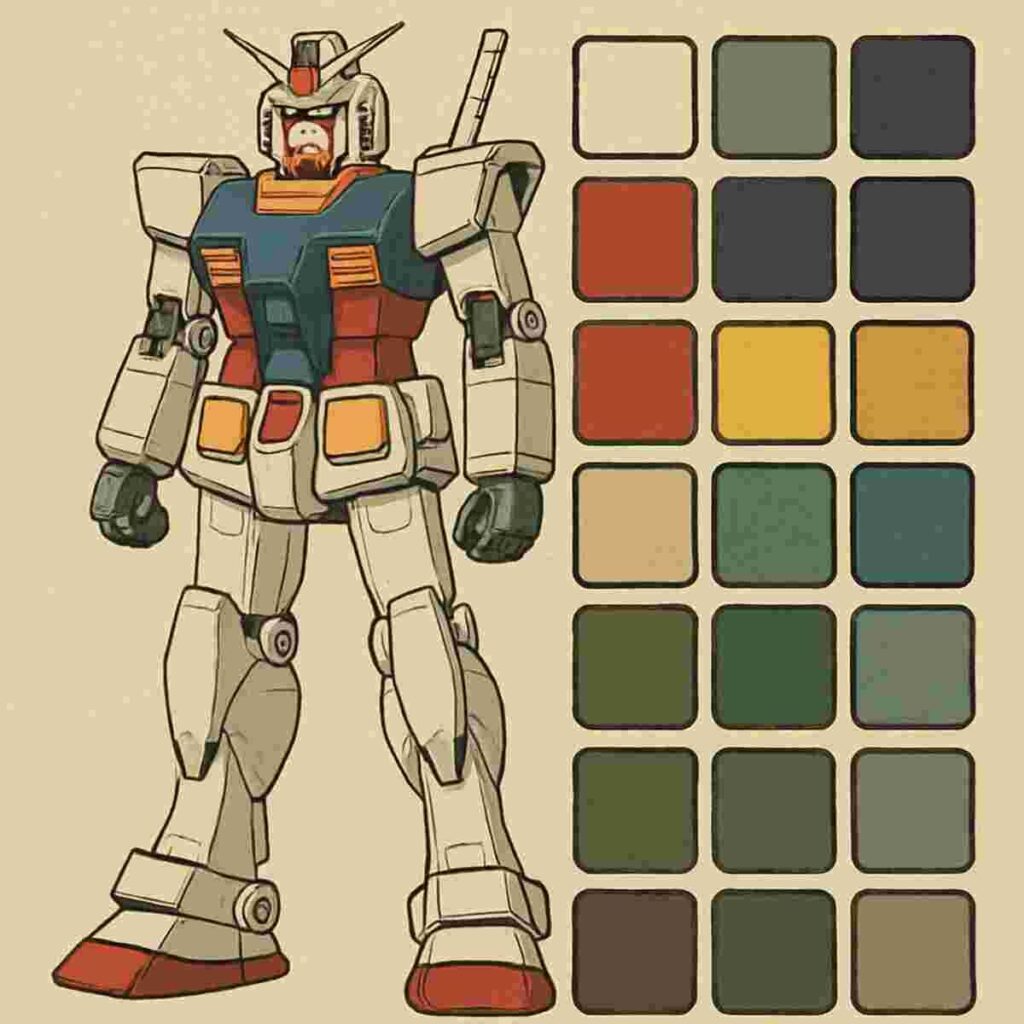
Building Your Single Color Gundam Deck
Building a single color deck isn’t just about slapping together a bunch of cards of the same color. It requires some strategic thinking and planning. Here’s a step-by-step guide to help you build an effective single color Gundam deck.
Step 1: Understand Your Color’s Strengths
Each color in the Gundam card game has unique strengths and weaknesses. For instance, a red deck might focus on aggressive tactics and quick damage, while a blue deck might emphasize control and strategic plays. Understanding these strengths will guide your deck-building process.
Analyzing Color Archetypes
To fully understand your color’s strengths, delve into the archetypes associated with that color. Each color typically supports specific playstyles, such as aggro, control, or combo decks. By identifying the archetype that resonates with you, you can tailor your deck to maximize its potential.
Assessing Weaknesses and Countermeasures
While focusing on strengths is vital, acknowledging your color’s weaknesses is equally important. Identify potential vulnerabilities in your deck and plan countermeasures to address them. This might involve including tech cards that can handle specific threats or adjusting your strategy to mitigate weaknesses.
Researching Successful Decks
Research existing successful decks within your chosen color to gain insights into effective strategies. Analyzing tournament-winning decks or community favorites can provide valuable information on card choices, synergies, and overall deck composition that you can incorporate into your build.
Step 2: Choose a Core Strategy
Decide on a core strategy for your deck. Are you going for aggressive play, control, or a defensive strategy? This decision will influence which cards you prioritize when building your deck.
Aggressive Strategies
If you opt for an aggressive strategy, focus on cards that enable fast, high-damage plays. Look for units with low cost and high attack values, as well as cards that provide direct damage or enhance your units’ abilities to close out games quickly.
Control Strategies
For a control-oriented deck, prioritize cards that allow you to manipulate the battlefield and restrict your opponent’s options. Look for cards with removal abilities, counterspells, or effects that can disrupt your opponent’s plans, giving you the upper hand in long, drawn-out games.
Defensive Strategies
Defensive strategies rely on fortifying your position and outlasting your opponent. Seek out cards that offer high defense values, healing abilities, and ways to protect your key units. Defensive decks often aim to win through attrition, wearing down the opponent over time.
Step 3: Select Your Key Cards
Identify the key cards that will drive your strategy. These should be cards that embody your color’s strengths and help you execute your core strategy effectively. Make sure to include a balanced mix of units, upgrades, and support cards.
Identifying Signature Cards
Every deck has signature cards that define its strategy. Identify these cards in your color and ensure they are central to your deck’s function. These cards should be the ones you build your deck around, maximizing their impact in every game.
Balancing Units and Support
Achieving a balance between units and support cards is crucial for maintaining a fluid gameplay experience. Units provide the offensive and defensive capabilities, while support cards enhance their effectiveness or disrupt your opponent’s strategy. Aim for a harmonious mix that supports your overall game plan.
Incorporating Versatile Cards
Include versatile cards that can adapt to various situations. These cards provide flexibility and can serve multiple roles, ensuring you have options when the game doesn’t go as planned. Versatility can be the key to overcoming unexpected challenges during a match.
Step 4: Balance Your Deck
While focusing on a single color, ensure you have a good balance of cards. Too many high-cost cards might slow you down, while too many low-cost cards might lack the punch needed to win. Aim for a balanced curve to maintain flexibility.
Crafting a Mana Curve
Creating a balanced mana curve is essential to ensure smooth gameplay. A well-crafted curve allows you to play cards at every stage of the game, minimizing the risk of being stuck with unplayable hands. Aim for a distribution of low, mid, and high-cost cards that aligns with your strategy.
Avoiding Overcommitment
Be cautious of overcommitting to a single aspect of your strategy. While it’s important to have a focused game plan, diversifying your card choices can provide alternative paths to victory. Ensure your deck can handle different scenarios, even if your primary strategy isn’t viable.
Testing for Consistency
Test your deck’s consistency through playtesting. Consistent performance across multiple games indicates a well-balanced deck. Pay attention to how often you draw playable hands and whether your deck can execute its strategy reliably under various conditions.
Step 5: Test and Refine
Once your deck is built, it’s time to test it out! Play several games to see how it performs. Take notes on what works and what doesn’t. Don’t be afraid to make changes—deck building is an iterative process, and refining your deck is key to success.
Gathering Feedback
Seek feedback from fellow players or participate in online forums to gain new perspectives on your deck. Constructive criticism can highlight areas for improvement and introduce you to strategies you might not have considered.
Analyzing Game Performance
Analyze the performance of your deck in various matchups. Identify patterns in your wins and losses, and consider how you can adapt your deck to improve its performance against different types of opponents.
Iterative Refinement
Refining your deck is an ongoing process. Make incremental changes based on your observations and test the results. This iterative approach allows you to gradually improve your deck’s effectiveness over time, leading to a more polished and competitive build.
Tips for Playing with a Single Color Deck
Playing with a single color deck involves a bit of finesse. Here are some tips to keep in mind:
Understanding Your Opponent
Knowing your opponent’s strategy can help you anticipate their moves and counter effectively. Pay attention to their card choices and playstyle to predict their actions and adjust your strategy accordingly.
Flexibility in Strategy
While your deck may have a primary strategy, be prepared to adapt as the game unfolds. Sometimes, deviating from your original plan is necessary to counter your opponent’s tactics or to respond to unforeseen circumstances.
Efficient Resource Management
Resource management is crucial in maintaining the momentum of a single color deck. Keep track of your resources and plan your plays carefully to avoid running out of options. Efficient use of resources can be the difference between victory and defeat.
Common Pitfalls and How to Avoid Them
Over-reliance on Key Cards
While it’s important to have key cards, relying too heavily on them can be risky. Make sure your deck has enough flexibility to handle situations where your key cards are unavailable.
Diversifying Win Conditions
Incorporate multiple win conditions into your deck to reduce the risk of being overly reliant on a single strategy. By having alternative paths to victory, you can remain competitive even if your primary plan is disrupted.
Preparing for Disruptions
Anticipate disruptions from your opponent by including cards that can recover or adapt to changing circumstances. Having contingency plans ensures your deck can withstand challenges and still perform effectively.
Ignoring Synergies
Don’t overlook card synergies just because they don’t seem obvious at first. Single color decks often have hidden synergies that can turn the tide of a game if utilized properly.
Exploring Unconventional Combos
Experiment with unconventional card combinations to discover hidden synergies within your deck. These unexpected interactions can catch opponents off guard and provide you with unique tactical advantages.
Enhancing Synergy Through Practice
Refine your understanding of card synergies through practice. The more you play, the better you’ll recognize opportunities to exploit synergies, allowing you to leverage your deck’s full potential.
Lack of Backup Plan
Always have a backup plan. If your main strategy fails, you need an alternative path to victory. This could be a secondary strategy within your deck or a sideboard that you can switch to between games.
Developing a Secondary Strategy
Develop a secondary strategy that complements your primary game plan. This backup strategy should offer alternative ways to win, providing you with flexibility in different matchups.
Utilizing a Sideboard
Utilize a sideboard to enhance your deck’s adaptability. A well-constructed sideboard can provide you with additional tools to counter specific opponents or strategies, increasing your chances of success.
Conclusion
Exploring the strategy of single color Gundam decks can be a rewarding experience, offering a unique challenge that tests your strategic thinking and adaptability. By understanding your color’s strengths, building a balanced deck, and practicing your strategy, you’ll be well on your way to mastering the game. So grab your cards, refine your deck, and get ready to dominate the battlefield!
Remember, the journey of mastering a single color deck is just as fun as the victories it can bring. Keep experimenting, learning, and most importantly, have fun playing! Happy gaming!